



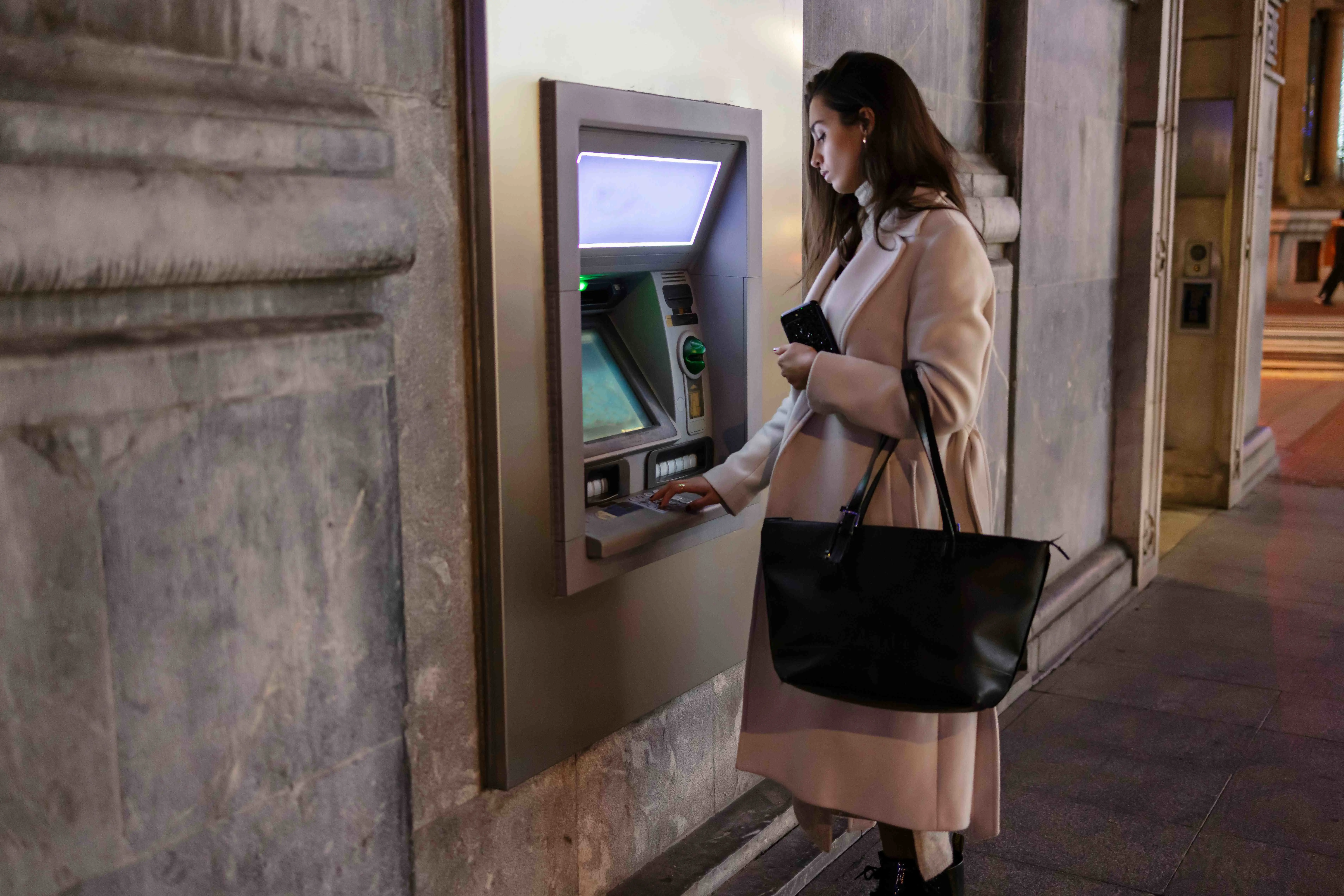
Cryptocurrency has become more common in recent years, and with it, cryptocurrency ATMs, also called “Bitcoin ATMs,” have started appearing in convenience stores, gas stations, and shopping centers across the country.
While these machines are sometimes used by investors as a quick way to purchase cryptocurrency, scammers have also started using them as part of new fraud schemes. Understanding how these scams work can help you recognize warning signs and protect your money.
What Is a Bitcoin ATM?
A Bitcoin ATM is a machine that allows users to exchange cash for cryptocurrency, usually Bitcoin. Instead of withdrawing money like a traditional ATM, you deposit cash and send the equivalent value in cryptocurrency to a digital wallet.
Because cryptocurrency transactions are fast and difficult to reverse, scammers sometimes pressure victims to send money through these machines. Consumer protection agencies warn that fraud involving cryptocurrency ATMs has been increasing in recent years.1
How Bitcoin ATM Scams Work
Many scams begin with a phone call, text message, email, or online message. The scammer pretends to be someone trustworthy, such as:
- A government agency
- A bank representative
- A tech support worker
- A law enforcement officer
- Someone you met online
The scammer may claim there is an urgent problem, such as fraud on your account, unpaid taxes, or a compromised computer. They may then instruct the victim to withdraw cash and deposit it into a Bitcoin ATM, saying it will “protect” the money or resolve the issue.
Once the transaction is completed, the funds are sent to the scammer’s cryptocurrency wallet, and the money is typically impossible to recover. Investigations have found that victims are often directed to nearby cryptocurrency ATMs as part of the scam.2
Why Scammers Use Bitcoin ATMs
Bitcoin ATMs have become attractive to scammers for several reasons.
Transactions are difficult to reverse
Unlike credit card payments or bank transfers, cryptocurrency transactions usually cannot be reversed once they are completed.
Cash payments are harder to trace
Speed
Limited familiarity with cryptocurrency
Consumer protection agencies emphasize that no legitimate bank, government agency, or law enforcement organization will ask you to send money through a cryptocurrency ATM to fix a problem.3
Warning Signs of a Bitcoin ATM Scam
Many of these scams follow a similar pattern. Watch for these red flags:
- Someone asks you to move money quickly to fix a problem
- You are told to keep the transaction secret
- The caller directs you to a specific cryptocurrency ATM
- You are asked to deposit cash or scan a QR code
- The person says this is the only way to protect your money
If someone pressures you to send money through a cryptocurrency ATM, that’s a strong warning sign of a scam.
How to Protect Yourself
A few simple habits can help reduce your risk.
Pause and verify
Never send money to “protect” your account
Talk to someone you trust
Be cautious with unexpected messages
What to Do If You Already Sent Money Through a Bitcoin ATM
If you believe you’ve been targeted by a cryptocurrency ATM scam, act quickly:
Contact your financial institution immediately
Report the scam to the Federal Trade Commission (FTC)
File a report with the FBI’s Internet Crime Complaint Center (IC3)
Keep records of the transaction
While cryptocurrency transactions can be difficult to recover, reporting scams helps authorities track fraud trends and protect others.
Staying One Step Ahead
As new technologies become more common, scammers often look for ways to exploit them. Bitcoin ATMs are just one example of how fraud tactics continue to evolve.
The good news is that awareness goes a long way in protecting yourself. By understanding how these scams work and recognizing the warning signs, you can avoid many of the most common fraud attempts.
If you ever receive a suspicious request involving your money or financial accounts, it’s always best to pause and verify before taking action.
At CommunityAmerica, protecting our members’ financial security is always a top priority. If you ever have questions or believe you may have encountered a scam, our team is here to help.
